

Pop-up Engineering Guest: PhD Student, Kendra Kreienbrink
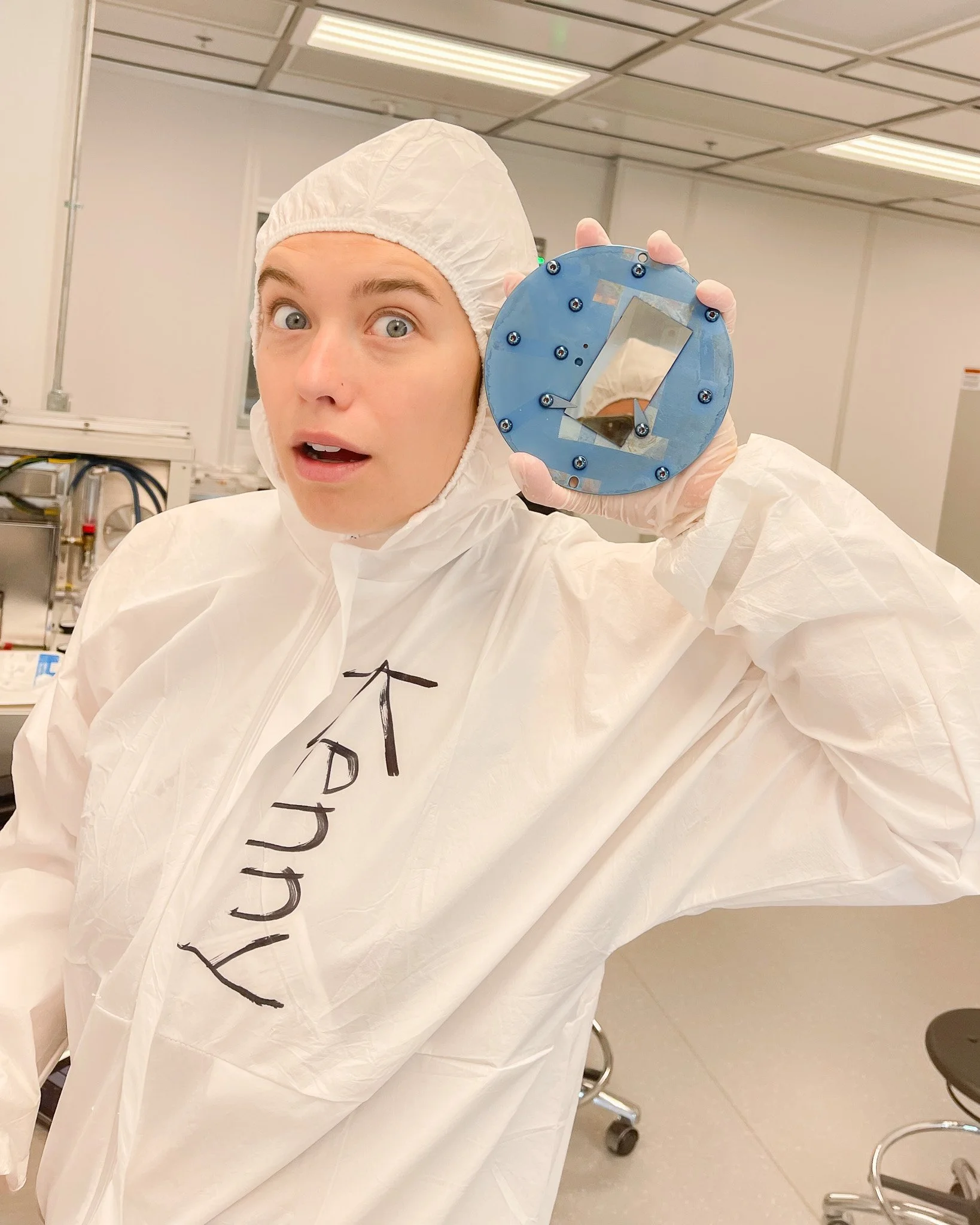
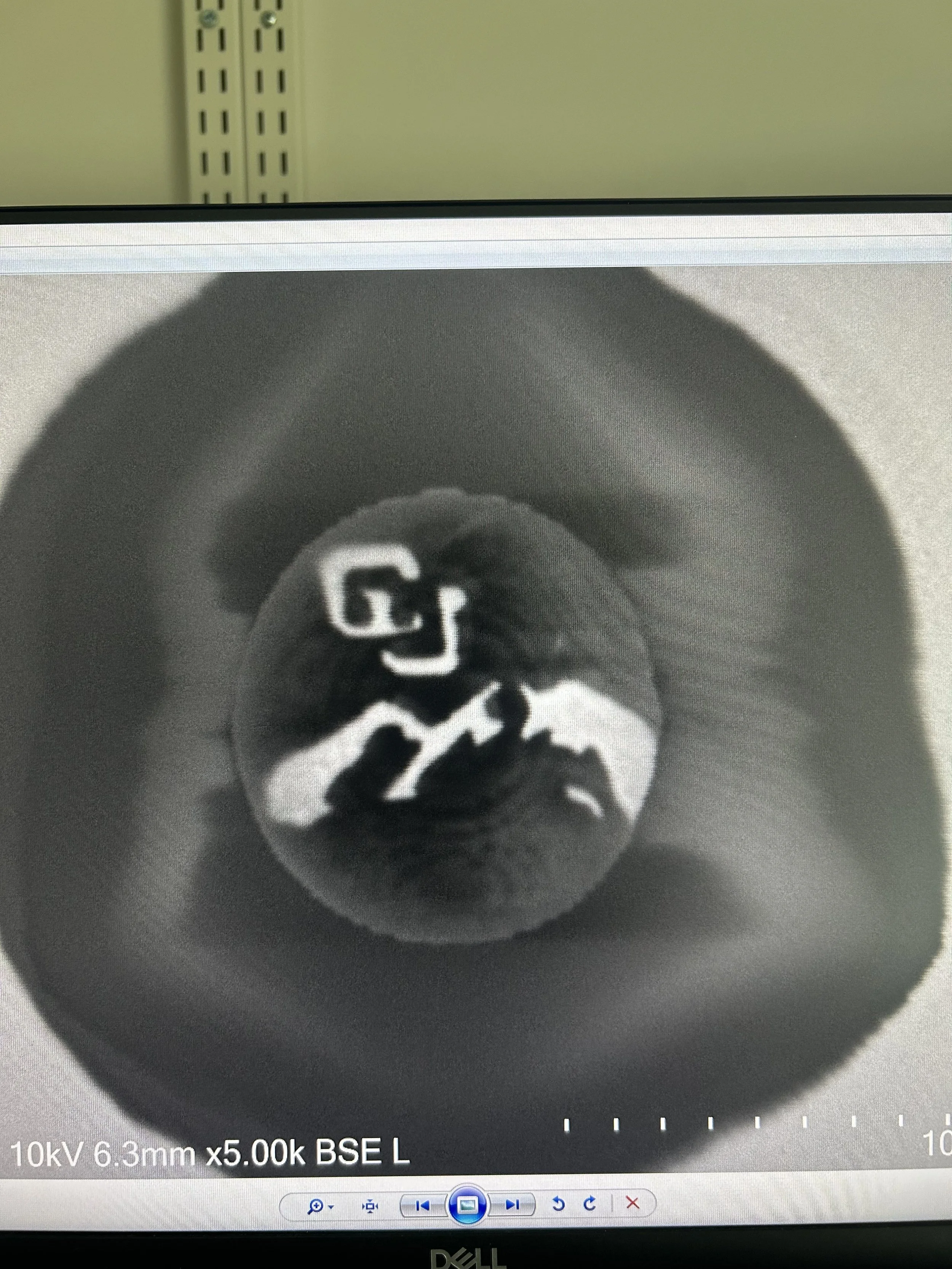
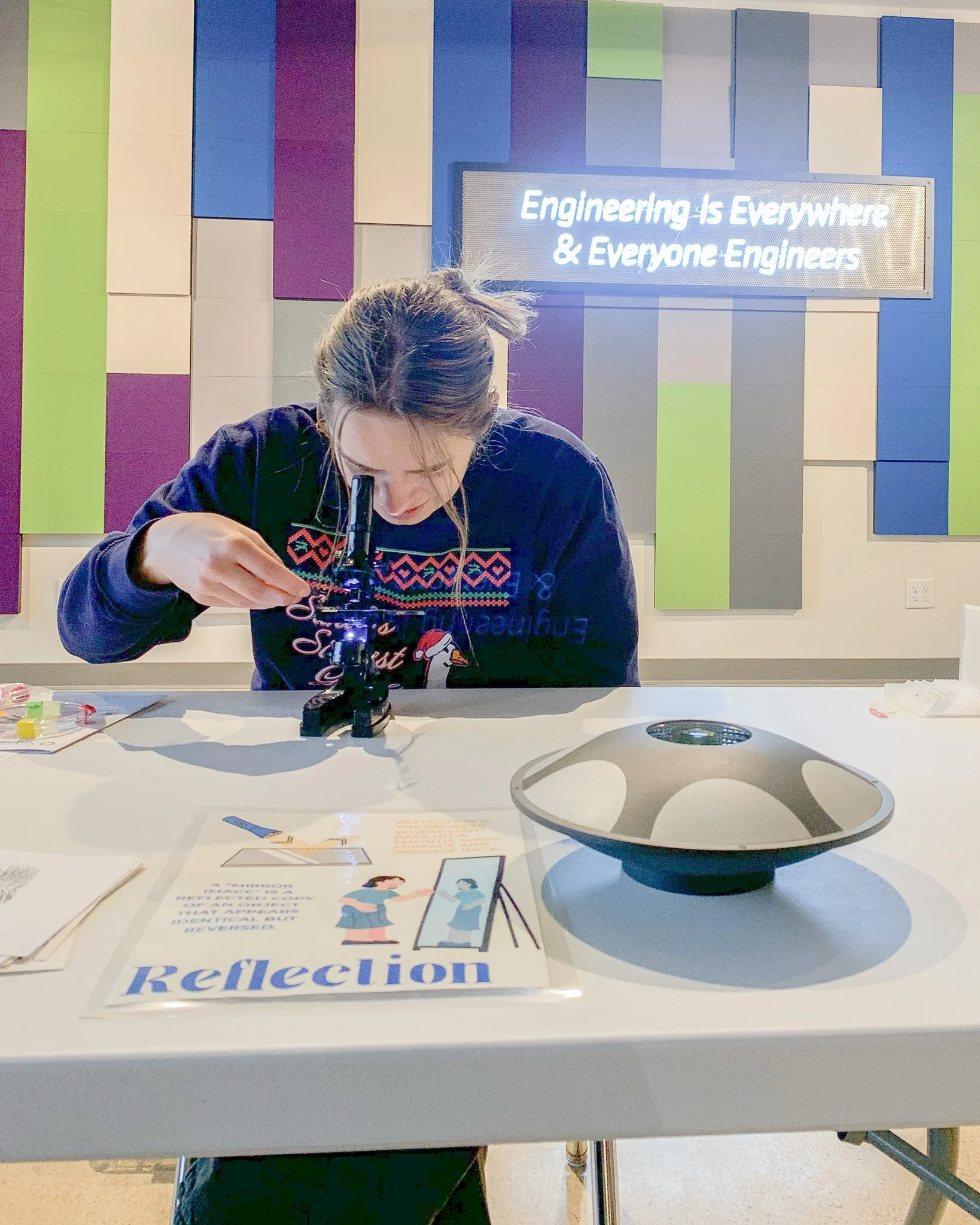
This winter, museum visitors enjoyed many opportunities to participate in Pop-Up Engineering—a variety of guided STEM activities facilitated by our amazing volunteers on the museum floor. This past month, we welcomed a special guest, our Visitor Experience Manager, Kailey Kreienbrink’s sister, Kendra Kreienbrink, to lead a Pop-Up Engineering experience. Kendra is a PhD candidate at CU Boulder and shared magnetic particles brought directly from the laboratory where she conducts her research.
Kendra’s work focuses on active particles and micro robots with the potential for biological applications, such as drug delivery. She brought several of her particles, which are tiny cube-shaped structures created using a 3D printer, to the museum for visitors to see and interact with.
Because these particles are about ten times smaller than a single human hair, visitors were only able to view them through a microscope. Part of Kendra’s research involves embedding microscopic magnets into the particles so they move when exposed to a magnetic field. Visitors had the opportunity to move the particles themselves using a handheld magnet.
Kendra’s research is a powerful example of how 3D printing can be used to solve real-world problems. The cubes she prints in her lab could potentially be controlled using magnetism to move within the body and help treat medical conditions. Kendra and her research team are working to demonstrate that these particles could travel through mucus to deliver drugs to the lungs or other hard-to-reach areas of the body. This research is not only fascinating—it has the potential to save lives!
Kailey Kreienbrink, our Visitor Experience Manager, shared this about 3D printing and education:
“When I was teaching second grade, I found that at least 90% of my students had a 3D printed toy or fidget of some sort and they were all learning how to print them in their computer science class. I was always wondering if this was really a practical use of their learning time at school, and it wasn’t until my sister came to volunteer for me at The Works Museum that I realized this is a really practical skill for them to be learning.”
A special thank you to Kailey’s sister, Kendra Kreienbrink, for visiting The Works Museum and sharing her incredible research. We are proud to welcome scientists like her, who help kids see that a career in STEM can truly change the world.
Join us at Tech Fest on Saturday, February 21, 2026, to meet more career role models and learn about the important work STEM professionals are doing right here in Minnesota.
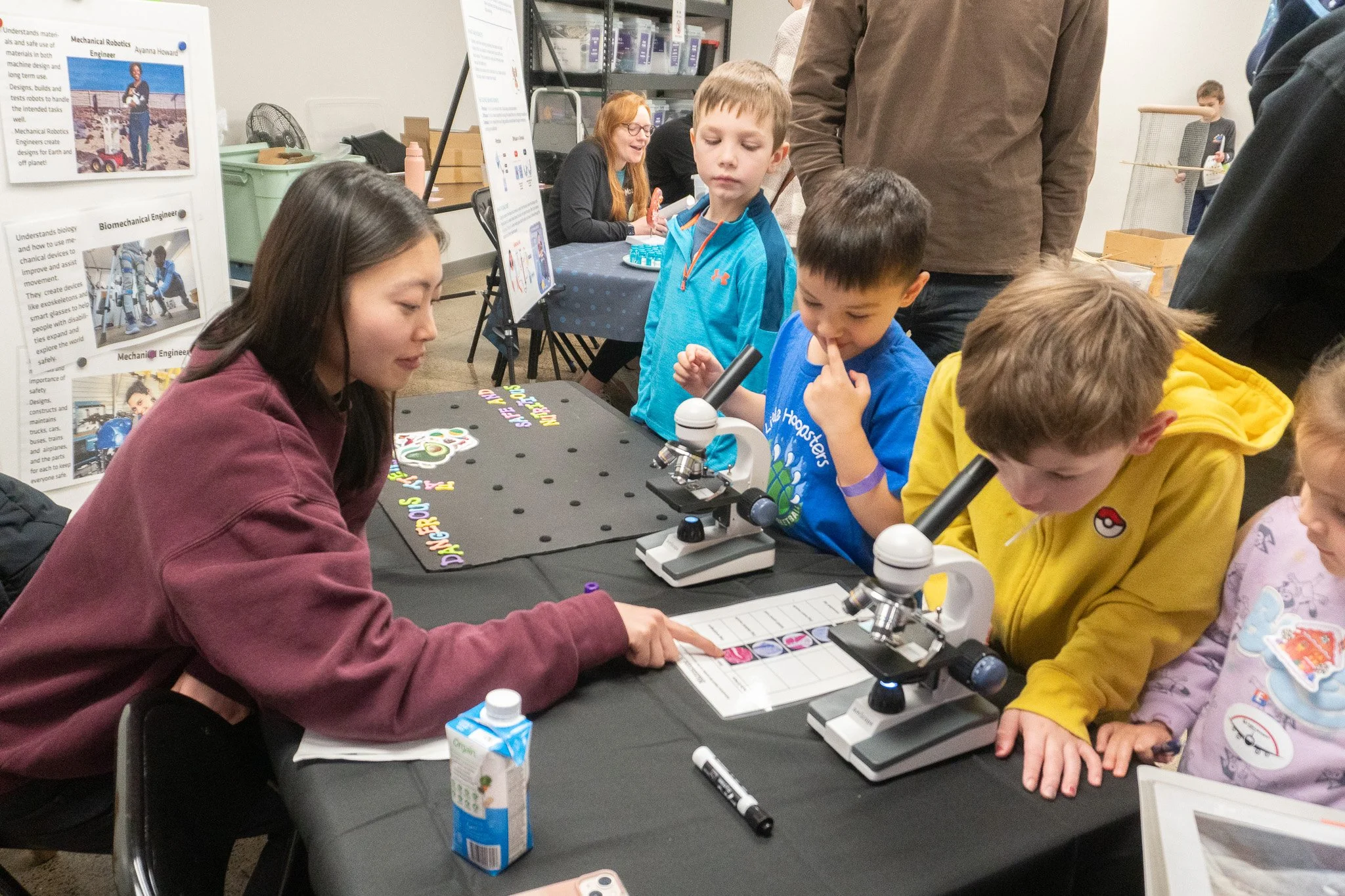
A student from the University of Minnesota College of Veterinary Medicine facilitates a demonstration at Tech Fest 2025.
Written by Kailey Kreienbrink, with contributions from Leah Nelson.
